Gender Bender Festival digital archive
The project (prot. TOCC0001786 Decreto Direttoriale n. 385 del 19/10/2022 CUP C47J23001410008 / COR 15911815), with funding from the European Union – Next Generation EU-PNRR Digital Transition Cultural And Creative Organisms, was developed with the goal of increasing accessibility, inclusivity, and availability of the archival heritage preserved within Centro di Documentazione Flavia Madaschi that documents the activities tied to the Gender Bender festival, as well as other cultural events organized by the association over the years.
The intervention involved the totality of digital and physical materials gathered during the over twenty years of cultural, artistic and multidisciplinary production activities of the festival, as well as the other comparable ventures promoted by Cassero, by broadening fruition and research possibilities both in person and remotely, with a specific focus on the needs of artists, researchers, and users with sensorial, mobility, cognitive, and psychological disabilities.
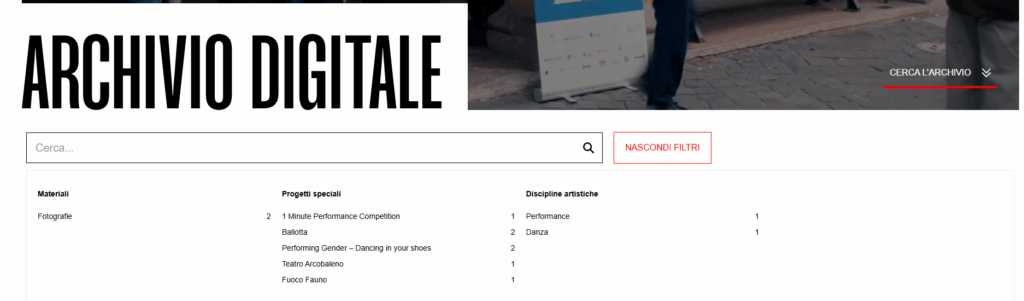
The project involved the implementation and enhancement of the digital platform already used by the Documentation Center, developed as a dynamic structure, capable of progressively hosting new content and linking historical heritage with contemporary productions. Through the work on informative architecture and data sorting, it was possible to lay the foundations for an advanced cataloguing, metadata managing, and tagging system dedicated to different documentation types — audiovisual, photographic, auditory, graphic, and textual materials — valorizing not only physical records, but also immaterial ones tied to cultural events, performances, encounters, and artistic networks developed during the festivals.
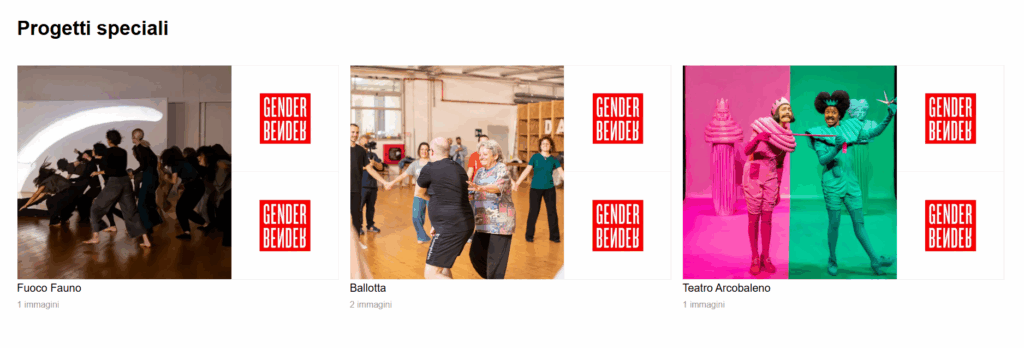
Particular attention has been dedicated to the quality of user experience and digital accessibility. The platform was designed and edited in order to guarantee clear, intuitive, and accessible consultation to people with different kinds of disabilities.
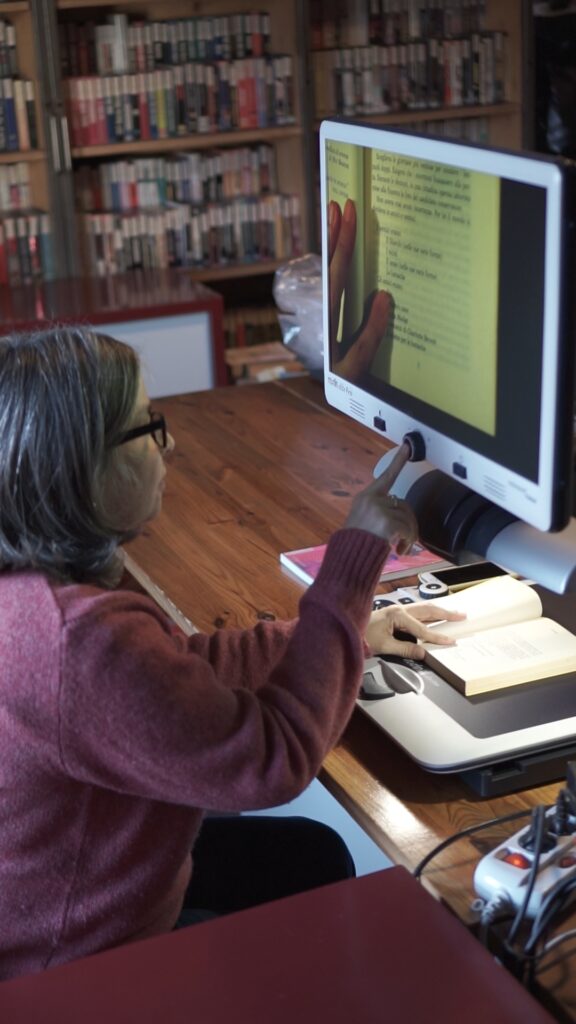
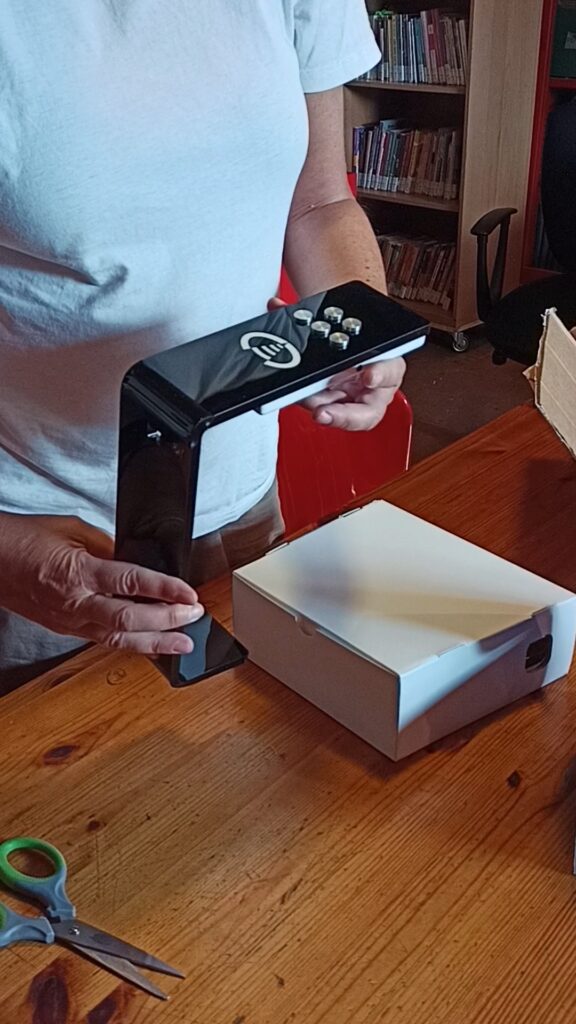
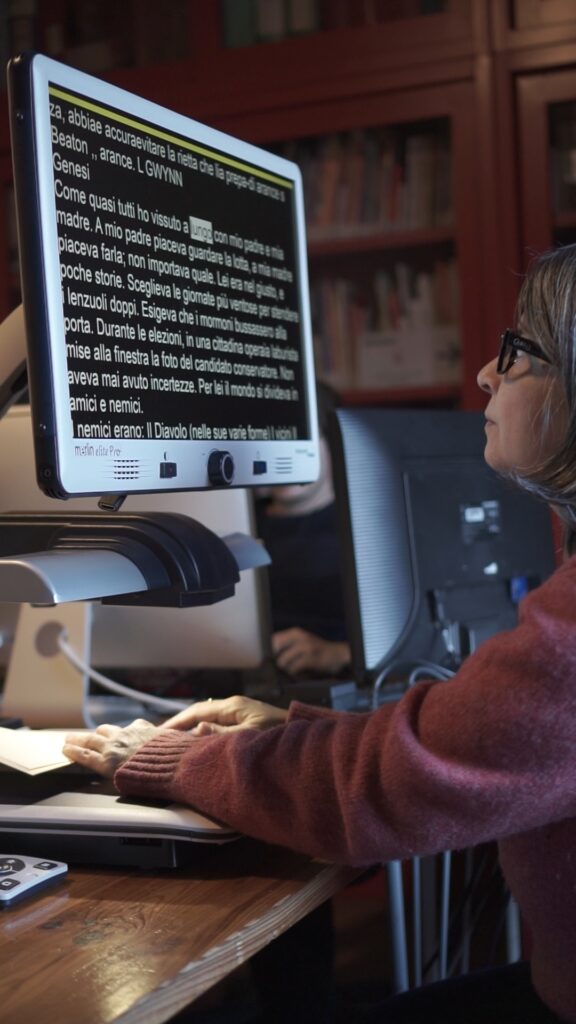
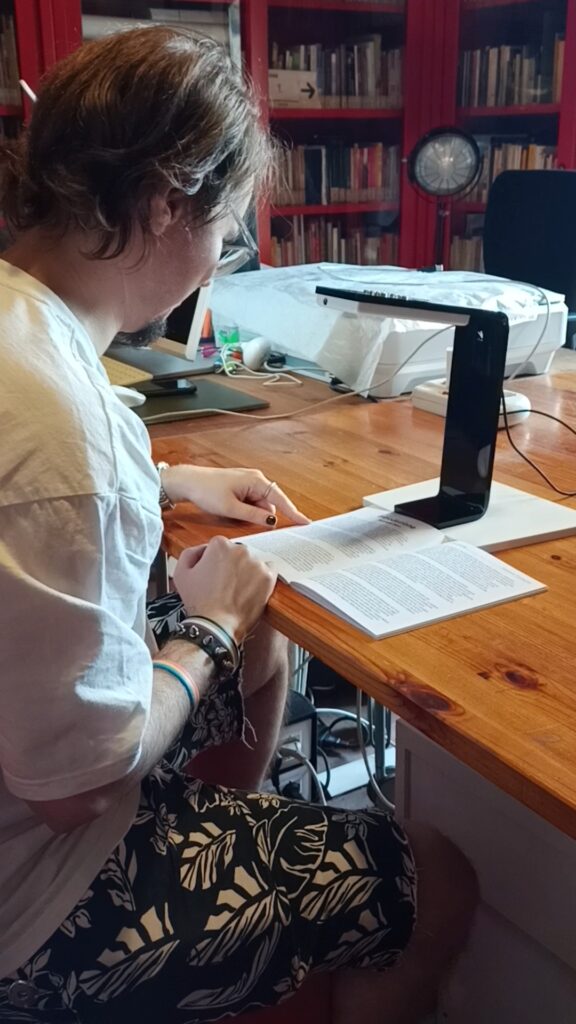
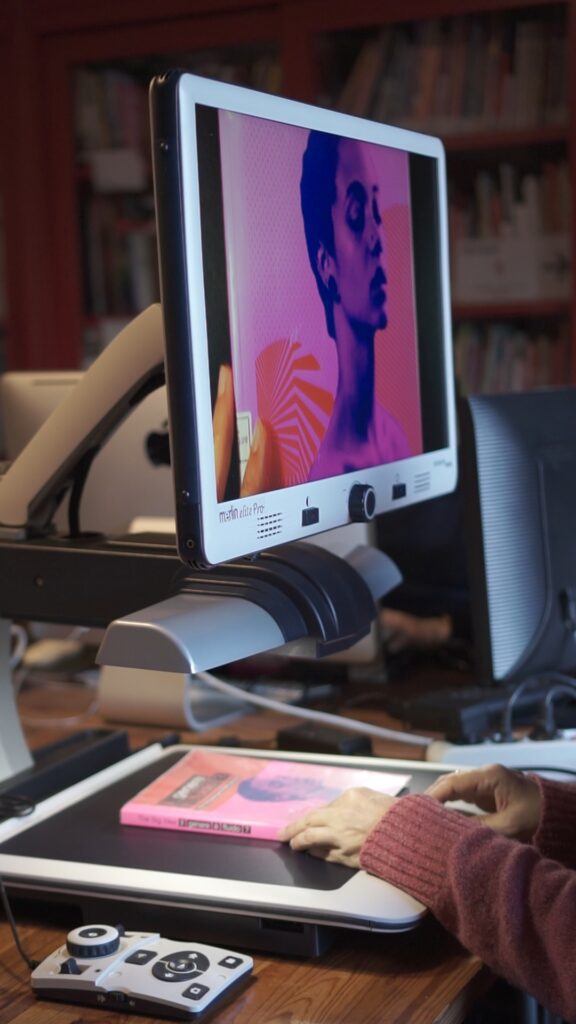
In order to concretely increase the possibility of access to archival heritage, the project also involved the acquisition of new technological devices and the preparation of seats dedicated to accessible consultation of the materials at the Documentation Center. In particular, we acquired a professional scanner for high quality digitalization of archival documents, two new informatic seats for the consultation of digital content, and assistance tools available for people with visual disabilities, such as text-to-speech devices and enlarging systems that can ease the fruition of textual documentation and archival images. A seat has also been provided with an ergonomic table that can be regulated in height, designed to grant full accessibility for wheelchair users and people with limited mobility.
At the same time, the project included a remarkable digitalization, organization, inventory compilation, and filing archival endeavor, undertaken while following professional standards and national guidelines for digital conservation. The intervention has made it possible to significantly improve the preservation, availability, and fruition of the materials, laying the foundations for a sustainable and durable system that will be easily implemented with newer additions from artistic and documentary productions.
From a cultural enhancement point of view, the project solidified Gender Bender Festival and Centro di Documentazione Flavia Madaschi’s roles as spaces for the production, preservation, and diffusion of inclusive, accessible, and diversity-oriented cultural content. Communication and audience development activities granted the involvement of new communities, stakeholder, and users, with a particular focus on younger generations and people with disabilities, taking part in the diffusion of innovative practices within the scope of cultural and digital accessibility.
The intervention coherently takes place within the festival’s long-time path on the theme of inclusion and accessibility. Because of this project, the cultural heritage produced by the festival has been rendered more accessible and available for future research activities, artistic production, and cultural experimentation, contributing to solidify Cassero’s national and international positioning within the field of contemporary inclusive and digital culture.